
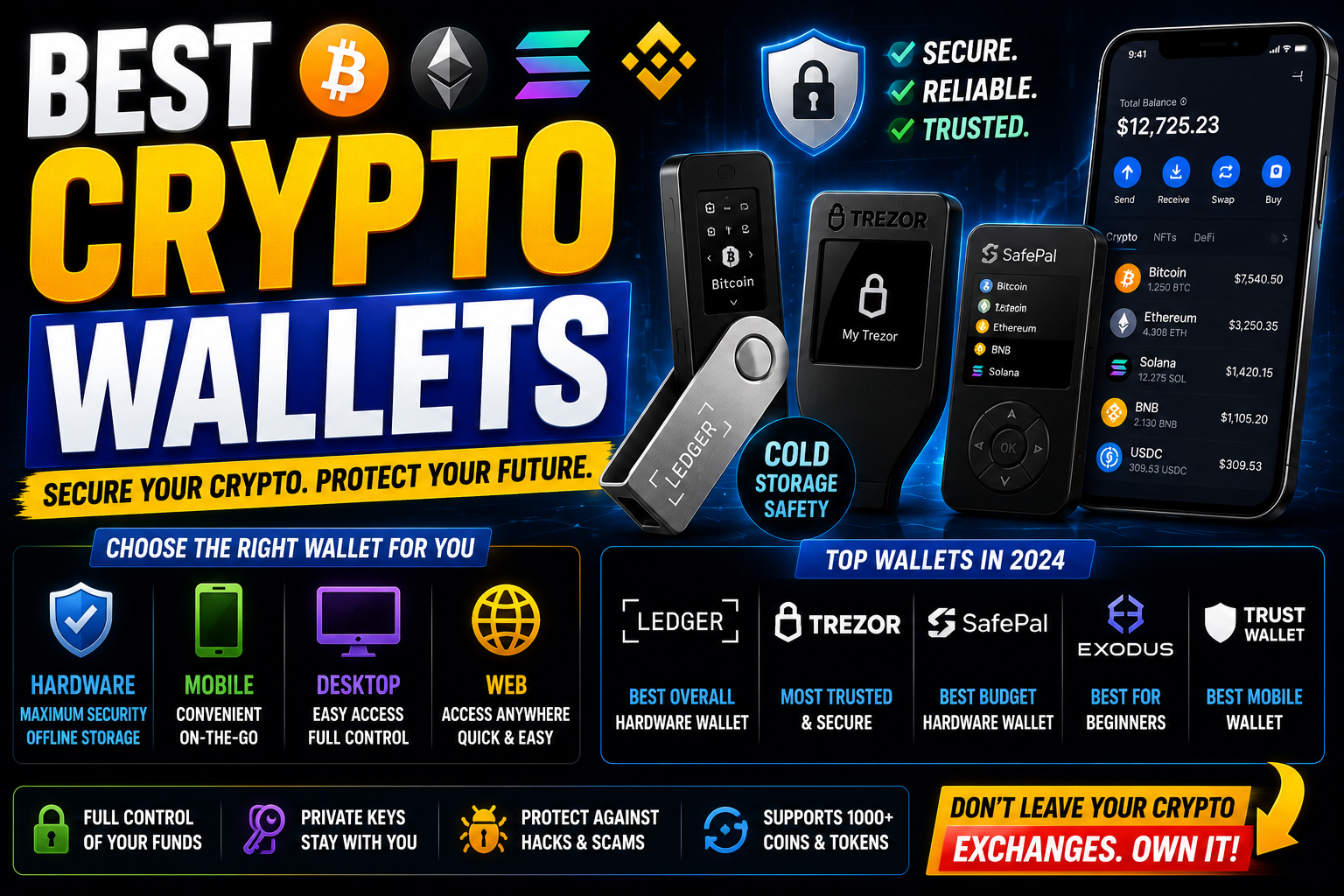
Introduction to Crypto Wallets
- In the realm of cryptocurrency, a crypto wallet serves as a fundamental tool for managing digital assets. Essentially, a crypto wallet is a software program or physical device that allows individuals to store, send, and receive cryptocurrencies securely. Unlike traditional wallets that hold physical currency, crypto wallets store public and private keys, which are essential for conducting transactions on the blockchain.
- Every transaction made with cryptocurrencies involves a digital signature created using the private key stored within the wallet. This not only authorizes the transaction but also ensures that the owner of the crypto assets maintains control over them. There are various types of wallets available, including software wallets, hardware wallets, and paper wallets, each with its own level of security and user experience.
- The importance of using a crypto wallet cannot be overstated. By utilizing a wallet, investors can safeguard their digital assets from theft or loss, which are common risks in the volatile world of cryptocurrencies. Keeping assets on an exchange without a dedicated wallet exposes investors to potential hacks and operational failures of the exchange. Therefore, having a reliable crypto wallet is essential for every investor who wishes to manage their investments effectively and, most importantly, securely.
- With the rapid growth of cryptocurrencies and the increasing adoption of digital assets, understanding the functionality and necessity of crypto wallets becomes crucial. Whether one is a seasoned investor or a newcomer to the crypto market, knowing how to use a wallet properly lays the foundation for safe and fruitful investments in digital currencies.
Types of Crypto Wallets
Cryptocurrency wallets are essential tools for anyone who wishes to engage in the digital currency ecosystem. They allow users to store, manage, and track their cryptocurrencies securely. Broadly speaking, crypto wallets can be categorized into two main types: hot wallets and cold wallets.
Hot Wallets
- Hot wallets are online or software-based wallets that are connected to the internet. They come in various forms, including mobile wallets, desktop wallets, and web-based wallets. The primary advantage of hot wallets lies in their convenience; users can easily access their cryptocurrencies from anywhere at any time. For example, mobile wallets allow users to make transactions quickly and efficiently while on the go.
- However, the reliance on an internet connection introduces vulnerabilities to hot wallets. They are more susceptible to hacking, phishing, and other cyber threats. Users must implement robust security measures, such as two-factor authentication and strong passwords, to mitigate these risks. Overall, hot wallets are ideal for frequent traders and those who prioritize accessibility over absolute security.
Cold Wallets
- On the other hand, cold wallets are offline storage solutions that offer enhanced security for cryptocurrency holdings. These include hardware wallets and paper wallets. Hardware wallets, such as Trezor or Ledger, securely store private keys on physical devices, minimizing exposure to online threats. Paper wallets, while less common today, involve printing the key information on paper. This ensures that the wallet remains entirely offline.
- The primary benefit of cold wallets is the heightened security they provide against cyber attacks. Users who hold substantial assets for long-term investments may prefer cold wallets, as they offer peace of mind in safeguarding their cryptocurrencies. Nevertheless, the drawback is that cold wallets can be less convenient for frequent transactions, as users must connect their wallets to a computer or use another method to access their funds.
Top Hardware Wallets
- When considering the best hardware wallets for cryptocurrency storage, security and usability are paramount. Hardware wallets are physical devices designed to safely store the private keys of various cryptocurrencies offline, shielding them from online threats. Among the most acclaimed options available today, Ledger and Trezor stand out due to their robust security features and user-friendly interfaces.
- Ledger offers several models, including the Ledger Nano S and the more advanced Ledger Nano X. The Nano S is known for its affordability and strong security protocols, accommodating over 1,800 cryptocurrencies. The Ledger Nano X, with Bluetooth functionality, allows for mobile connectivity, making it convenient for users who prefer managing their assets on the go. Both models support Ledger Live, a companion app facilitating seamless transactions.
- Trezor, another leading name in the hardware wallet market, provides options such as the Trezor One and Trezor Model T. The Trezor One, praised for its simplicity, supports numerous cryptocurrencies and comes with potential recovery options. In contrast, the Trezor Model T features a touch screen interface and supports over 1,800 coins as well. Both Trezor models leverage strong encryption methodologies, adding an extra layer of security to your digital assets.
- Beyond Ledger and Trezor, there are notable alternatives like KeepKey and BitBox. KeepKey combines cryptocurrency management with a sleek design and integrates with the ShapeShift platform for easy swapping between currencies. The BitBox02 supports various features including microSD card support for backup and recovery, enhancing convenience.
- In summary, top hardware wallets like Ledger and Trezor provide excellent security and usability for cryptocurrency investors. When selecting a wallet, consider factors such as the number of supported cryptocurrencies, ease of use, and personal preferences regarding connectivity options. Choosing the right hardware wallet is crucial for safeguarding your digital assets effectively.
Top Software Wallets
- Software wallets have gained significant popularity among crypto investors due to their ease of use and versatility. Among the leading options available, Exodus and Electrum are two notable wallets that cater to different user preferences and needs.
- Exodus is well-regarded for its user-friendly interface, particularly appealing to those new to cryptocurrency. It supports a wide array of cryptocurrencies, making it ideal for investors looking to diversify their portfolios. Exodus also features an in-built exchange, allowing users to trade directly from the wallet, which adds convenience for frequent traders. However, it is essential to point out that Exodus does not provide comprehensive advanced security options, such as multi-signature support. It is primarily suited for users who prioritize accessibility over absolute security.
- On the other hand, Electrum stands out due to its emphasis on security and functionality. This wallet is particularly favored by those who are more technically inclined, offering advanced features such as cold storage integration and support for hardware wallets. Electrum's lightweight nature ensures quick transactions and efficient performance, although its interface might seem less welcoming to beginners. While it supports Bitcoin exclusively, the wallet's security measures, including two-factor authentication and the option to create secure backups, make it a robust choice for seasoned investors.
- As you consider which software wallet is right for you, it is essential to evaluate what features and functionalities are most important. If you value ease of use and a broad range of supported cryptocurrencies, Exodus may be the ideal fit. Conversely, if security is your top priority and you are comfortable with a more technical interface, Electrum could be your best choice. Ultimately, your decision should be influenced by your specific investment needs and your level of expertise in cryptocurrency management.
Mobile Wallet Recommendations
- In the fast-evolving world of cryptocurrency, mobile wallets have become increasingly important for users who prefer to conduct transactions on the go. Unlike traditional wallets, mobile wallets provide the advantage of accessibility and convenience while ensuring enhanced security features. Below, we explore some of the best mobile wallets available, focusing on user experience, security, and cryptocurrency compatibility.
- One of the standout options is Trust Wallet. Developed by Binance, Trust Wallet supports a wide array of cryptocurrencies, including Bitcoin, Ethereum, and numerous altcoins. Users appreciate its intuitive interface, which simplifies the process of managing a diverse portfolio. Additionally, Trust Wallet employs robust security measures, such as seed phrase backups and biometric authentication, to safeguard user assets.
- Another highly regarded mobile wallet is Exodus Wallet. Known for its visually appealing interface, Exodus offers an excellent user experience for both beginners and seasoned investors. It supports over 100 cryptocurrencies and allows users to exchange between different assets right within the app. Its security framework includes strong encryption for private keys and the option for users to restore their wallets using a recovery phrase.
- Coinomi is also worth mentioning due to its comprehensive support for more than 1,770 cryptocurrencies. This wallet ensures user privacy by not requiring any personal information during setup, making it an appealing option for security-focused users. Coinomi additionally offers built-in exchange services, allowing users to trade coins without leaving the app.
- In summary, the right mobile wallet can significantly enhance the cryptocurrency experience by providing easy access to digital assets, coupled with robust security features. Trust Wallet, Exodus, and Coinomi represent some of the best options currently available, each catering to different user preferences and needs in the crypto space.
Security Features to Look For
- When selecting a crypto wallet, security should be the primary consideration for investors. Cryptocurrencies are susceptible to hacks and theft, making it essential to ensure that a chosen wallet incorporates robust security features. One critical feature to look for is two-factor authentication (2FA). This additional layer of security requires users to verify their identity through a secondary method, typically involving a mobile device, which significantly reduces the risk of unauthorized access.
- Backup options are another vital element in wallet security. Investors should choose wallets that facilitate easy backup procedures, allowing them to securely save a copy of their digital assets in case of device loss or theft. Reliable wallets often allow users to store their backup files in various formats, providing flexibility in managing these important resources.
- Additionally, the presence of recovery seeds is crucial for enhancing wallet security. A recovery seed, a sequence of words generated when creating a wallet, acts as a master key that lets users restore their accounts should they lose access. It is imperative to keep this recovery phrase secure and offline, as anyone with access to it could potentially control the wallet's funds.
- Private key management is yet another significant factor to consider. A high-quality wallet should empower users with full control over their private keys, eliminating the risks associated with third-party control. Investors should select wallets that allow for secure storage of private keys either on the device or in a hardware wallet format, which provides a safer alternative compared to online storage systems.
- In selecting a crypto wallet, a comprehensive assessment of these important security features will help investors safeguard their digital assets effectively.
How to Choose the Right Wallet for You
- Selecting the appropriate crypto wallet is essential for managing your digital assets efficiently and securely. The first factor to assess is your individual needs, which may vary based on your experience level with cryptocurrencies, your investment strategy, and how frequently you engage in transactions. Beginners might prefer a user-friendly option, while more seasoned investors may seek advanced features and security.
- Ease of use is a significant consideration. If you are new to cryptocurrency, a wallet with an intuitive interface will help you navigate the complexities of digital currencies without feeling overwhelmed. Many wallets offer tutorials and customer support, which can be invaluable as you familiarize yourself with cryptocurrency concepts.
- Your investment strategy also plays a vital role in determining the best wallet for you. If you plan to hold onto your cryptocurrencies for an extended period, a hardware wallet may be ideal, given its enhanced security features against online threats. Conversely, if you are actively trading or regularly making transactions, a mobile or web-based wallet may be more suitable due to their speed and convenience.
- Furthermore, the frequency of your transactions should influence your decision. Frequent traders may benefit from wallets designed for quick transactions, which allow for seamless trading experiences. In contrast, if you engage in transactions less often, prioritizing security in your selection may outweigh the need for transaction speed.
- Lastly, your budget should be taken into account. While there are several free wallet options available, paid wallets may offer enhanced features and security measures. Evaluate what features are essential for your needs and weigh them against the costs involved to ensure you make a well-rounded selection.
Storage Solutions for Large Holdings
- Investors with significant cryptocurrency holdings must ensure the safety and security of their assets through diversified storage solutions. Relying on a single wallet or storage method can expose one's investments to substantial risks, including hacks and loss of access. Therefore, a multifaceted approach is essential in safeguarding these digital assets.
- One of the preferred methods for storing large amounts of cryptocurrencies is through cold storage solutions. Cold storage refers to keeping a cryptocurrency wallet completely offline, thereby minimizing the risk of online hacking attempts. Hardware wallets, which consist of physical devices designed to safely store private keys, have gained popularity due to their enhanced security features. For example, many hardware wallets offer PIN protection and encryption, adding an extra layer of security.
- In addition to utilizing cold storage, it is crucial to adopt best practices for managing private keys and seed phrases. Private keys authorize transactions and provide access to the digital asset, while seed phrases serve as a backup method to regain access if a wallet is lost or compromised. Investors should maintain their private keys and seed phrases in secure locations, ideally in physical form, such as a safety deposit box. Furthermore, it is advisable to create multiple backups and store them in geographically dispersed locations to mitigate risks associated with theft, fire, or natural disasters.
- It is also recommended that investors periodically review their storage strategies. Cryptocurrency markets can be volatile, and it is prudent to adjust storage methods based on changing needs, market conditions, and the investor's risk tolerance. Employing a combination of cold storage and robust management of keys and phrases can significantly enhance the security of large cryptocurrency holdings, ensuring that investors can access their assets when needed without exposing them to undue risk.
Future Trends in Crypto Wallet Technology
- As the cryptocurrency landscape continues to evolve, the technology surrounding crypto wallets is also adapting to meet the growing demands of users. One of the most significant trends emerging in this space is the integration of decentralized finance (DeFi) features within crypto wallets. This integration allows users to access a variety of DeFi services, such as lending, borrowing, and yield farming, directly from their wallets, enhancing their experience and broadening the functionalities available to them. Wallet providers are increasingly focusing on creating an all-in-one solution that combines storage, trading, and financial services.
- Another key trend is the enhancement of user interfaces and experiences. As more individuals, including those with limited technical knowledge, begin to enter the cryptocurrency market, user-friendly designs have become paramount. Modern wallets are prioritizing intuitive interfaces, making it increasingly simple for users to navigate. This shift not only includes streamlined processes for buying and trading cryptocurrencies but also clearer displays of transactions and account balances. The aim is to foster wider adoption by reducing the complexity often associated with cryptocurrency management.
- Advancements in security features are also at the forefront of the future of crypto wallet technology. With cybersecurity threats continually innovating, wallet providers are implementing multifactor authentication, biometric verification, and advanced encryption techniques to safeguard users’ assets. Additionally, hardware wallets are gaining popularity as a secure alternative, allowing users to store their private keys offline. This combination of software and hardware improvements promises to create a more secure environment for cryptocurrency enthusiasts.
- In conclusion, the evolving landscape of crypto wallets is indicative of broader trends within the cryptocurrency ecosystem. With the integration of DeFi features, enhanced user experiences, and superior security measures, investors can expect a more robust and user-centric wallet experience in the years to come.
Login or create account to leave comments

Comments (0)