
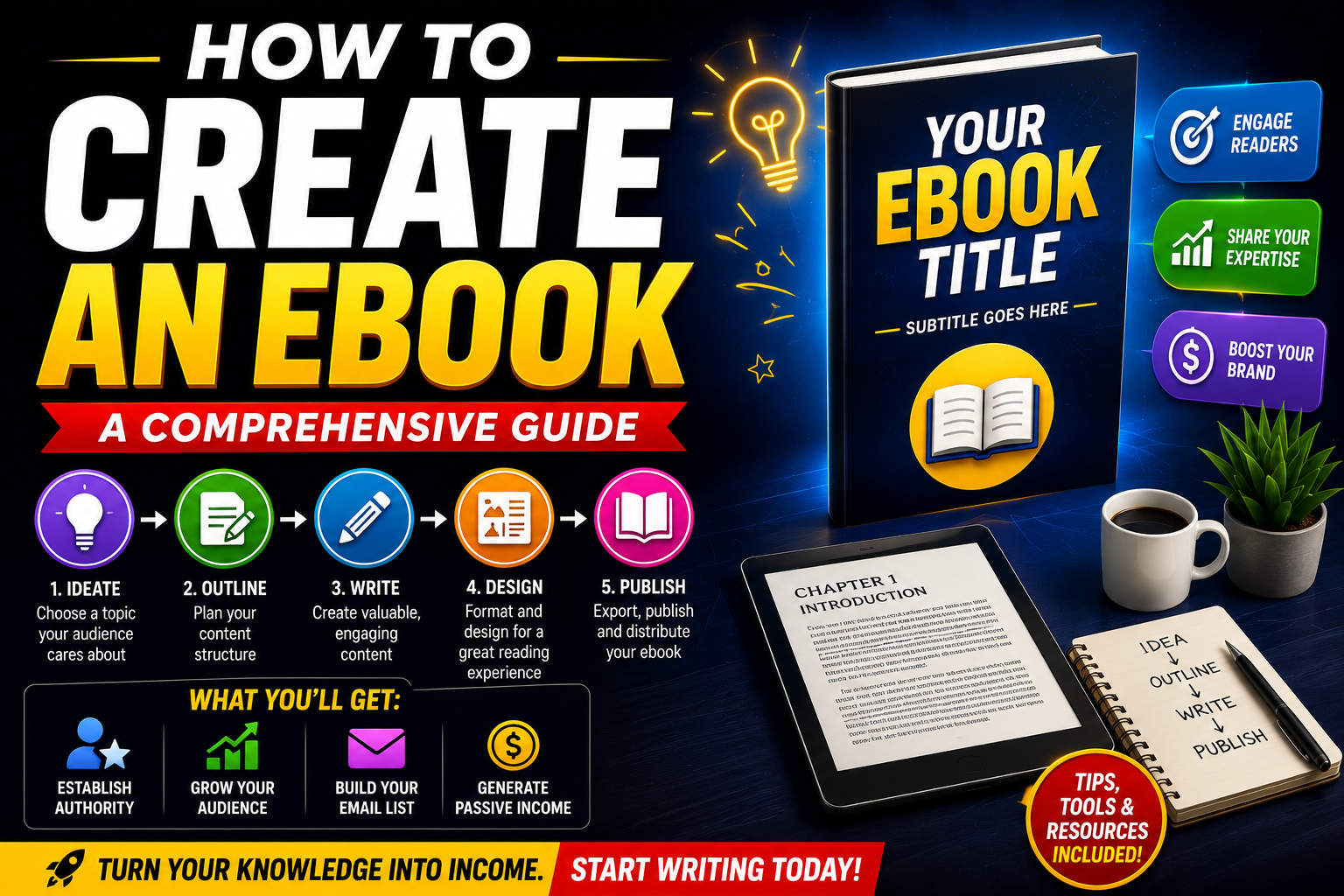
Introduction to Ebooks
- An ebook, short for electronic book, is a digital version of a printed book that can be read on computers, tablets, e-readers, or smartphones. In today’s increasingly digital landscape, ebooks have gained immense popularity, transforming the way readers access, consume, and interact with literature and information. Their significance cannot be overstated, as they provide numerous advantages over traditional print books.
- One of the primary benefits of ebooks is their accessibility. Since they can be stored on various devices, users have the convenience of carrying an entire library in their pocket. Additionally, ebooks can be downloaded instantly, allowing readers to access their desired content without the need to visit a bookstore or library. This immediacy caters to the fast-paced nature of modern life, where time is often a constraint.
- Furthermore, ebooks often come with interactive features, such as hyperlinks, embedded multimedia elements, and adjustable text sizes, enhancing the reading experience. Readers can easily search for specific terms, bookmark pages, and highlight passages, promoting efficient and effective information consumption. This level of interactivity is not typically available with traditional print editions, offering a distinct advantage in educational and research contexts.
- Another significant aspect is the environmental consideration linked to ebooks. By reducing the reliance on paper, the production of ebooks lessens the environmental impact associated with traditional printing. As awareness of ecological issues grows, many readers are making conscious choices to shift towards digital formats, thus supporting a more sustainable future.
- In conclusion, ebooks represent a vital evolution in reading habits that align with contemporary lifestyles. Their numerous benefits, including portability, interactivity, and environmental advantages, position them as a compelling alternative to traditional print books in the digital age.
Choosing Your Ebook Topic
- Selecting the right topic for your ebook is a crucial step in the creation process, as it can significantly impact your success in reaching and engaging your target audience. To begin, it is essential to identify who your ideal readers are. Understanding their preferences, challenges, and interests will guide you in developing a subject that captivates them. For instance, you may consider conducting surveys or utilizing social media platforms to gather insights into what potential readers are currently looking for in an ebook.
- Analyzing market trends is another important factor when choosing your ebook topic. Performing thorough research to identify popular themes or genres in your niche can help you pinpoint a subject that is not only relevant but also in demand. This may involve examining bestselling ebooks in your field, utilizing keyword research tools to see what topics are frequently searched, and staying updated on industry news and emerging trends. Doing so will allow you to create content that aligns with current reader interests.
- Moreover, utilizing your own expertise or interests can greatly enhance the authenticity and richness of your ebook. When you choose a topic that you are passionate about or knowledgeable in, it becomes easier to infuse your unique voice and insights throughout your writing. This not only elevates the quality of your content but also establishes your credibility with readers, as they are more likely to engage with and trust an author who displays genuine enthusiasm for their subject matter.
- In conclusion, by carefully understanding your audience, analyzing market trends, and leveraging your expertise, you can select a compelling topic that resonates with readers, paving the way for a successful ebook creation process.
Research and Content Planning
- Before embarking on the journey of creating an ebook, it is essential to thoroughly research your chosen topic. This foundational step not only provides you with valuable insights but also enhances the credibility of your work. Identifying reliable sources is crucial; peer-reviewed journals, reputable websites, and expert interviews are excellent starting points. Utilizing a combination of these resources will help ensure your content is both accurate and engaging.
- Once you have gathered sufficient information, organize your findings systematically. This can be achieved through note-taking, mind mapping, or using digital tools like spreadsheets or project management software. Create categories that reflect different aspects of your topic, allowing you to visualize connections and key themes. Organizing your research will not only aid in your understanding but also help streamline the writing process.
- Having a structured outline is a pivotal part of the content planning phase. An effective outline acts as a roadmap, guiding you through the writing process and ensuring a coherent flow of ideas. Start by defining the primary objectives of your ebook and the key messages you wish to convey. Break down your content into chapters or sections, detailing the main points and subtopics necessary to support your objectives. Consider using bullet points for clarity and ease of reference.
- In this way, your outline not only illustrates the hierarchy of information but also highlights where further research may be needed. Be prepared to refine your outline as you progress, adapting it based on additional insights gained during your writing journey. This iterative approach to research and planning is vital, as it sets a strong foundation for the actual writing phase of your ebook, ensuring that the final product is well-structured and informative.
Writing the Ebook
- Embarking on the journey of writing an ebook can be both exhilarating and daunting. To enhance productivity and streamline the writing process, it is crucial to establish a writing schedule that accommodates your lifestyle. Set aside dedicated time each day or week to focus solely on your writing. This consistency not only augments your writing habit but also helps in maintaining a steady flow of ideas and creativity.
- As you write your ebook, consider the tone and style you wish to convey. The tone should align with your target audience and the subject matter. For instance, a technical ebook may require a more formal and straightforward approach, whereas a personal development ebook might benefit from a conversational and motivational tone. Avoid jargon unless necessary, ensuring clarity remains a priority to keep your readers engaged throughout the narrative.
- Flow is vital in writing. To achieve this, allow yourself to write freely without over-editing in the first draft. This method can help you get your thoughts on paper without the pressure of perfection. Once you have completed the initial draft, you can return to refine and edit your content, focusing on enhancing clarity and engagement. Additionally, seek feedback from trusted peers or mentors, as their insights can provide invaluable perspectives that may improve your writing.
- Writers frequently encounter challenges, such as writer’s block or a lack of motivation. When faced with these obstacles, take breaks and step away from your writing space. Engaging in different activities or taking walks can stimulate creativity and help you return to your writing with renewed energy. Utilizing techniques like free writing or brainstorming can also clear your mind, sparking inspiration for your ebook.
Editing and Proofreading
- Editing and proofreading are critical stages in the eBook creation process. They ensure that your content is not only engaging but also free from grammatical errors and inconsistencies. This phase helps in polishing the text, enhancing clarity, and enforcing a professional standard. Without thorough editing, even the best ideas can be undermined by poor presentation.
- One effective strategy for self-editing is to take a break after completing your first draft. This approach allows you to revisit the material with fresh eyes, making it easier to identify mistakes and areas for improvement. During this review, focus on structural elements such as coherence and flow between chapters, as well as the overall organization of ideas. Utilizing tools such as grammar checkers can provide preliminary insights, but should not replace careful manual editing.
- Another approach is to read your eBook out loud. This method helps to catch awkward phrasing and run-on sentences that may go unnoticed in silent reading. Additionally, consider seeking feedback from trusted peers or beta readers. Their perspectives can be invaluable, offering insights on how your work resonates with others and identifying areas that may need clarity.
- Moreover, hiring a professional editor can elevate your eBook to new heights. A skilled editor brings a wealth of experience in not only grammar and style but also in enhancing narrative structure and voice. They can provide comprehensive feedback and help ensure that the content meets industry standards.
- In conclusion, the editing and proofreading process is indispensable in crafting a successful eBook. By employing self-editing techniques alongside professional assistance, you can refine your work to create a polished and reader-friendly final product.
Designing the Ebook Layout
- Creating an effective ebook layout is essential for delivering a pleasant reading experience while ensuring that your content is accessible and engaging. The design of your ebook should align with its subject matter and target audience, providing a coherent visual narrative that complements your text. One of the foundational aspects of ebook formatting is selecting an appropriate layout that caters to various devices, as ebooks are often read on a range of screens including tablets, smartphones, and e-readers.
- A crucial aspect of this is responsive design, which ensures that your ebook adapts seamlessly to different screen sizes and orientations. This adaptability enhances readability, allowing text and images to flow naturally across platforms. When creating your layout, it's important to use flexible grids and layouts that accommodate varying amounts of content and visual elements. Utilizing stylesheets for consistent formatting will also help keep your design uniform throughout the ebook.
- Incorporating visual elements such as images, graphs, and charts can significantly enhance the reader’s experience. These elements not only break up large blocks of text, making the content easier to digest, but also serve to illustrate points and reinforce key concepts. When selecting images, ensure they are high-quality and relevant to the text. Consider using graphs to present data visually, which can be more impactful than textual descriptions. Remember to respect copyright and include proper citations when necessary.
- Additionally, consider the use of whitespace effectively; this aids in reducing clutter and allows readers to focus on the essential components of your ebook. By thoughtfully designing your layout and incorporating a variety of visual elements, you ensure that your ebook is not only informative but also a pleasure to read, keep readers engaged and encourage them to return for more content in the future.
Choosing the Right Ebook Format
- When creating an ebook, selecting the appropriate format is a critical step that can significantly influence your publication's accessibility and overall success. The most popular ebook formats include EPUB, MOBI, and PDF, each having its unique attributes, advantages, and disadvantages.
- EPUB, or Electronic Publication, is widely recognized as the standard format for ebooks. It is highly adaptable and allows for reflowable content, making it suitable for different screen sizes and devices. The pros of EPUB include enhanced interactivity and compatibility across multiple platforms, including smartphones, tablets, and e-readers, such as the Nook and Kobo. However, EPUB files may not be as compatible with Amazon Kindle devices, which can limit distribution options if your target audience primarily uses Kindle.
- MOBI, on the other hand, is the format used by Amazon Kindle. It supports features like bookmarks and highlights, which enhance the reading experience for users of Kindle devices. The downside to MOBI is its limited compatibility; other e-readers cannot open this format, reducing its potential reader base. If your primary distribution channel is Amazon, opting for MOBI could be advantageous, as it allows direct access to the large Kindle readership.
- Lastly, PDF is a widely used document format that retains the original layout and design of the ebook. This format is particularly useful for ebooks that include complex layouts, such as illustrated guides or textbooks. While PDFs maintain the visual integrity of the content, they are less flexible than EPUBs and MOBIs regarding reflowable text and may not provide an optimal reading experience on smaller screens. Therefore, while PDFs are versatile, they may not be the ideal choice for readers who prefer customizable formats.
- Ultimately, the choice of ebook format should be guided by your target audience's preferences and the platforms through which you intend to distribute your work. Understanding these nuances will help ensure that your ebook reaches the right readers effectively.
Publishing Your Ebook
- When it comes to publishing your ebook, you have two primary paths to consider: self-publishing and traditional publishing. Each method has its advantages and considerations that may significantly impact your ebook's success. Self-publishing has gained popularity due to the control it offers authors over their work, from content to pricing strategies. Platforms such as Amazon Kindle Direct Publishing and Draft2Digital enable authors to publish their ebooks instantly, reaching a global audience without the need for a traditional publishing house.
- Conversely, traditional publishing involves submission to literary agents or publishing houses, which can lend credibility and access to a wider distribution network. However, this route often means ceding some control over the final product and can involve a lengthy time frame for acceptance and publication. Authors should carefully evaluate their goals to determine the best approach for their ebook.
- Pricing your ebook is another important consideration. A competitive price point can attract more readers, but it must also reflect the quality and value of your work. Researching similar ebooks in your genre can provide insight into reasonable pricing strategies. Furthermore, understanding the royalty rates associated with different publishing platforms is crucial for maximizing your earnings.
- Marketing your ebook effectively requires a well-thought-out approach to reach your target audience. Utilizing social media platforms, email newsletters, and online advertising can significantly enhance visibility. Additionally, establishing an author website or blog allows for direct engagement with potential readers, building a loyal community surrounding your work. Collaborating with other authors for cross-promotion may also expand your reach.
- Overall, the method you choose for publishing your ebook will influence various factors, including pricing, marketing, and audience engagement strategies. Assessing the benefits and drawbacks of each publishing route will aid in crafting a successful launch plan for your ebook.
Marketing Your Ebook
- Effectively marketing your ebook requires a well-rounded strategy that incorporates various channels and techniques. Firstly, identifying your target audience is crucial. Knowing who will benefit from your ebook allows you to tailor your marketing efforts accordingly, ensuring that you reach the right people. Utilize audience insights from platforms like Google Analytics or social media insights to inform your approach.
- One of the most effective marketing channels is social media. Creating engaging content related to your ebook can help capture attention. Consider crafting attention-grabbing posts that highlight interesting topics covered in your ebook. Use visually appealing graphics and well-placed hashtags to increase visibility. Additionally, you could create short videos or infographics that succinctly outline the key benefits that your ebook provides. Sharing testimonials or excerpts from readers can also create buzz around your work.
- Email marketing remains an invaluable tool for promoting ebooks. Begin by building a mailing list through your website or social media platforms. Offer exclusive content, discounts, or free resources to entice readers into subscribing. Regular newsletters can then be used to provide updates about your ebook, share valuable information, and engage with your audience. Make sure to include a strong call-to-action encouraging subscribers to purchase or download your ebook.
- Furthermore, consider collaborating with influencers or bloggers in your niche. They can provide access to a wider audience and lend credibility to your promotion. Write guest posts or offer free copies in exchange for honest reviews. Joining relevant online communities, forums, or social media groups can also help in organically spreading the word about your ebook.
- Lastly, consider paid advertising as a means to amplify your reach, ensuring that your marketing efforts are supported through well-placed ads on platforms like Facebook or Google Ads. Remember, consistency and genuine interaction are key components in effectively marketing your ebook.
Login or create account to leave comments
Comments (0)