
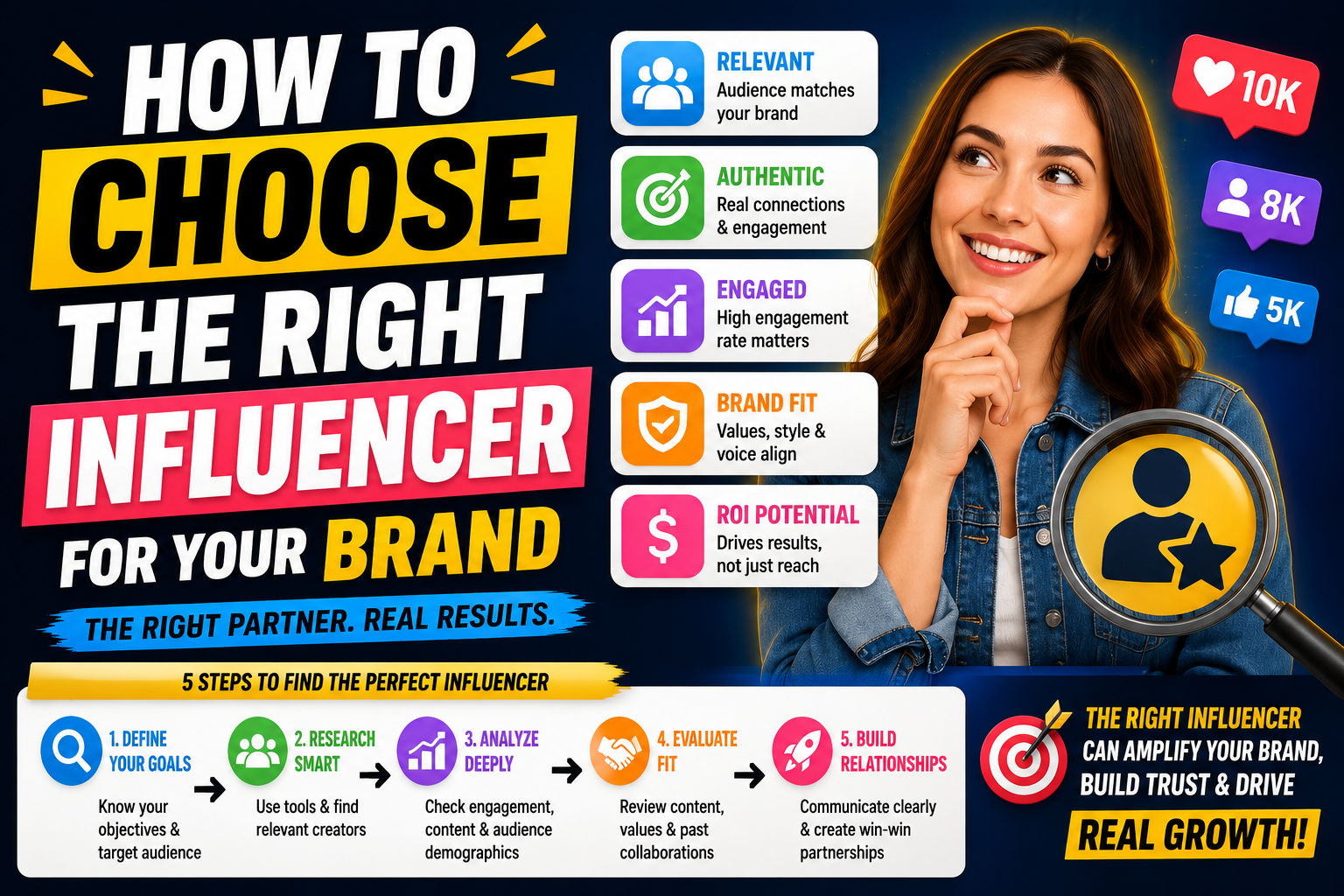
Understanding Your Brand's Goals
- When embarking on an influencer marketing campaign, it is imperative to have a clear understanding of your brand’s goals. These goals serve as the foundation for your partnership with influencers and will significantly influence your selection process. Initially, brands should identify whether they aim to increase brand awareness, drive sales, foster engagement with specific demographics, or promote a new product. Each of these objectives requires a different approach in the influencer selection process.
- If the primary objective is to enhance brand awareness, seeking influencers with a large and diverse following may be essential. These influencers can provide extensive reach and visibility for your brand, helping to introduce your products or services to a wider audience. In contrast, if the goal is to drive direct sales, focusing on influencers with high engagement rates and a proven track record of driving conversions might yield better results. Such influencers are adept at creating compelling content that resonates with their audience, thus encouraging purchases.
- Engaging with a specific target audience can be achieved by choosing influencers whose follower demographics align closely with your intended market. Influencers who have already cultivated a loyal and engaged community can be highly effective in reaching niche audiences. Meanwhile, for brands launching new products, collaborating with influencers who can authentically showcase the new offerings will help establish credibility and excitement.
- In summary, defining and articulating your brand's goals is crucial when selecting an influencer for your marketing strategy. By understanding whether the focus lies on awareness, sales, audience engagement, or product launches, brands are better positioned to make informed decisions about which influencers will align best with their objectives. This strategic alignment ultimately enhances the effectiveness of the influencer marketing campaign.
Defining Your Target Audience
- Recognizing your target audience is a foundational step in effectively choosing the right influencer for your brand. Understanding who your audience is, including their demographics, interests, and online behavior, can significantly streamline the influencer selection process. Demographics, such as age, gender, location, and income level, inform you about who is most likely to engage with your products. For instance, a brand targeting younger consumers may seek out influencers with a strong presence on platforms popular among that age group, such as TikTok or Instagram.
- Moreover, delving into the interests and preferences of potential customers enhances the chances of a successful influencer partnership. This can involve researching consumer trends, understanding topical preferences, and exploring what type of content resonates with your desired audience. An influencer whose content aligns closely with your target audience's interests can help in reinforcing your brand message and improve authenticity, leading to better engagement.
- Audience segmentation plays a crucial role in refining your approach. By breaking down your audience into smaller, more defined groups based on specific criteria, you can tailor your marketing strategies effectively. Tools such as Google Analytics and social media insights can help dissect audience behavior, revealing how they interact with related content. This data is invaluable in guiding your influencer selection process, allowing you to choose voices that genuinely know how to reach and engage your potential customers.
- In summary, a deep understanding of your target audience, showcased through demographic analysis, interest assessment, and behavior analytics, is essential in determining the best influencers to represent your brand. By aligning influencer partnerships with the precise characteristics of your audience, brands can create more meaningful connections, ultimately enhancing campaign effectiveness.
Researching Potential Influencers
- Identifying the right influencer for your brand requires a strategic approach, and thorough research is the foundation of this process. A useful starting point is social media platforms. Utilizing these networks, brands can discover influencers who align with their core values and resonate with their target audience. Networks like Instagram, TikTok, and YouTube enable brands to search for content creators based on specific hashtags, genres, and follower demographics. Engaging in this exploration allows you to gather insight into the influencer's personality, style, content quality, and audience interaction.
- In addition to social media searches, influencer marketing tools serve as valuable resources for researching potential influencers. These tools, such as AspireIQ, Upfluence, and HypeAuditor, provide access to vast databases of influencers, complete with performance metrics and audience demographics. Utilizing these resources can streamline the process of identifying candidates who align well with your brand objectives, ensuring that you pinpoint influencers with authentic engagement rather than just inflated follower counts.
- Engagement metrics play a critical role in assessing the suitability of potential influencers. Beyond merely evaluating follower numbers, examining how influencers interact with their audience, including likes, comments, shares, and overall sentiment, is essential. By analyzing engagement rates, brands can determine the level of influence an individual holds. Moreover, actively monitoring conversations around the influencer’s content can provide insight into how their audience perceives them and whether they genuinely align with your brand’s message.
- Compiling a list of influencers who meet these criteria is vital for making informed decisions. Through meticulous research on social media platforms, leveraging influencer marketing tools, and assessing engagement metrics, brands can identify potential influencers who are well-suited to collaborate and effectively represent their brand to a wider audience.
Evaluating Influencer Authenticity
- When selecting an influencer for your brand, establishing their authenticity is crucial for ensuring a successful partnership. Authenticity is characterized by genuine engagement and a real connection with their audience. One of the key signs of an authentic influencer is the level of engagement on their posts. A significant number of comments, shares, and likes can indicate that their audience values their content and views them as a trusted source. In contrast, an influencer with numerous followers but low engagement rates may indicate that their audience is not interested or that their followers may have been purchased.
- It is equally important to consider the quality of the influencer's followers. An influencer with a smaller, but highly engaged and relevant audience can bring more value to a brand than one with millions of inactive or irrelevant followers. To evaluate follower quality, take a closer look at the follower demographics, engagement patterns, and content relevance. Additionally, leveraging tools that analyze engagement rates can provide deeper insights into the influencer’s authenticity.
- As you assess potential influencers, watch out for red flags that may suggest a lack of authenticity. Sudden spikes in follower counts or unusually high engagement rates may indicate fraudulent practices. Similarly, generic comments or spammy interactions on their posts can signal an inauthentic community. In today’s marketing landscape, audience trust plays a pivotal role in the efficacy of influencer collaborations. Brands should seek influencers who have built trust with their followers, as this can lead to more successful campaigns and genuine endorsements.
Analyzing Influencer Reach and Engagement
- Selecting the right influencer for your brand involves a comprehensive analysis of their reach and engagement statistics. The reach of an influencer is generally quantified by their follower count across various platforms. However, a larger follower count does not inherently guarantee campaign success. It’s essential to evaluate the quality of the influencer's audience and their relevance to your brand’s target demographic.
- Engagement metrics play a crucial role in assessing an influencer's effectiveness. These include the number of likes, shares, comments, and overall interaction rates on their posts. High engagement rates suggest that an influencer's audience is not just passively following them but is actively interacting with their content. This type of interaction can lead to a higher chance of message retention and a more significant impact during campaigns.
- When analyzing engagement, it is beneficial to benchmark against industry standards. Different sectors will have varying benchmarks for acceptable engagement rates; for instance, a beauty influencer may require a different performance threshold compared to a tech influencer. Tools and platforms that provide analytical insights can help marketers gauge engagement in a more informed manner, expanding beyond mere follower counts. This can details an influencer’s overall influence, effectiveness in conveying brand messages, and the potential of reaching a target audience effectively.
- Furthermore, it’s essential to dissect the types of engagement an influencer receives. Comments can provide qualitative insights into audience sentiment, while shares illustrate the virality of an influencer's content. Therefore, a well-rounded approach to analyzing reach and engagement will support your overall decision-making process. Consider not only the metrics but also how well the influencer aligns with your brand values and objectives.
Aligning Influencer and Brand Values
- Choosing the right influencer for your brand involves more than simply selecting someone with a large following. A paramount consideration is the alignment of values between your brand and the influencer. Both parties should share core beliefs and messaging to enhance the authenticity of marketing campaigns. When influencers genuinely resonate with your brand's mission, the promotion feels less like a traditional advertisement and more like a sincere recommendation to their audience.
- To assess alignment, begin by thoroughly evaluating the influencer's content. This means examining their posts, storytelling methods, and interactions with fans. Look for consistency in their messaging and lifestyle. If an influencer frequently endorses sustainable fashion, for instance, and your brand emphasizes eco-friendliness, there is a promising overlap of values. Authentic partnerships are often born from shared convictions, which can significantly elevate engagement and trust among potential customers.
- Additionally, it's helpful to determine the extent of the influencer's commitment to these values. An influencer who actively champions community initiatives or participates in relevant social causes demonstrates genuine dedication beyond surface-level promotions. Consider reaching out for a brief interview or informal chat to gauge their understanding and passion for your shared ethos. This personalized approach not only builds rapport but allows both you and the influencer to explore collaborative possibilities more comprehensively.
- Moreover, leverage social listening tools to monitor discussions about both your brand and the influencer. This insight can illuminate how the audience perceives these values, ensuring that compatibility exists not just in essence but also in audience sentiment. Ultimately, aligning brand values with those of the influencer is indispensable for cultivating authenticity that resonates deeply with target demographics.
Setting a Realistic Budget for Influencer Collaborations
- Establishing a realistic budget for influencer collaborations is crucial in ensuring the success of marketing campaigns. Numerous factors should be considered when determining this budget, particularly focusing on the influencer's reach, engagement metrics, and the overall objectives of the brand. Influencers often charge based on their follower count, but that number alone does not reflect the potential value they can bring to a campaign. An influencer with a smaller, but highly engaged, audience may yield better results than one with millions of followers but low engagement rates.
- To begin, it is imperative to evaluate the specific goals of the marketing strategy. Whether the aim is to increase brand awareness, generate leads, or boost sales, different objectives may require varying levels of investment. For instance, a campaign aimed solely at awareness might afford to work with micro-influencers, who are generally cost-effective and have a more personal connection with their audience. Conversely, larger campaigns that target a broader audience may necessitate collaboration with macro-influencers or even celebrities, which could call for a higher budget allocation.
- In addition to influencer rates, it is essential to factor in other costs associated with an influencer marketing campaign. This includes production costs for content creation, campaign management fees, and potential paid advertising to amplify influencer posts. This comprehensive budget evaluation ensures that the costs align with the expected return on investment (ROI).
- Finally, balancing quality with cost is paramount. While it may be tempting to opt for the lowest-priced offers, investing in influencers who resonate with the target audience typically leads to a better performance of the campaign. Thorough research is required to select influencers whose values align with those of the brand, leading to authentic endorsements and ultimately maximizing campaign effectiveness.
Crafting the Right Partnership Agreement
- When establishing a collaboration with an influencer, it is imperative to craft a concise and comprehensive partnership agreement. This not only protects both parties but also fosters transparency and mutual understanding. A well-structured agreement typically encompasses several key elements, ensuring that both the influencer and the brand are on the same page throughout the collaboration process.
- One of the fundamental components of a partnership agreement is the clarity surrounding compensation. Determine the form of payment, whether it is monetary remuneration, products, services, or a combination thereof. Outlining compensation helps set expectations and minimizes misunderstandings that can arise during the project.
- Next, the agreement must detail the deliverables expected from the influencer. This section should spell out the type of content to be produced, such as posts, videos, blogs, or stories, and their respective platforms. Specifics regarding the number of posts and their formats can greatly reduce ambiguities. It's also advisable to include guidance regarding the tone and style of the content to align the influencer’s creative output with the brand’s image.
- Timelines are another vital aspect of an effective partnership agreement. Clearly defined deadlines for content submission and posting schedules help maintain momentum and ensure that the campaign is executed in a timely manner. Establishing these timelines will aid in managing the flow of communication and deliverables.
- In addition to these critical points, it is necessary to outline content guidelines, which may include disclosure requirements, copyright considerations, and branding restrictions. Ensuring that both parties adhere to these guidelines is integral to maintaining brand integrity and compliance with legal standards.
- In essence, crafting a partnership agreement that encompasses these key elements—compensation, deliverables, timelines, and content guidelines—serves as a foundation for successful collaboration with influencers. By prioritizing clear communication, brands can build strong, enduring relationships that enhance their marketing efforts.
Measuring Campaign Success After Execution
- Measuring the success of an influencer marketing campaign is crucial for understanding its impact and effectiveness. One of the primary steps in this process is to establish Key Performance Indicators (KPIs) prior to the campaign's launch. KPIs are specific metrics that allow brands to evaluate whether their objectives were met. Commonly used KPIs in influencer marketing include engagement rates, reach, impressions, website traffic, and conversions. Each of these indicators provides valuable insights into how the campaign resonated with the target audience.
- Following the conclusion of the campaign, a thorough analysis of these metrics is essential. By examining post-campaign data, brands can determine which elements were successful and which may need refinement in future campaigns. Tools such as Google Analytics, social media analytics, and third-party platforms can aid in tracking these metrics effectively. Understanding how users interacted with the content and what actions they took can reveal significant patterns that inform future marketing strategies.
- In addition to quantitative data, gathering qualitative feedback is equally important. This may involve conducting surveys or collecting testimonials from both the influencer and their audience. Such feedback can shed light on the audience's perception of the brand, the authenticity of the influencer's message, and the overall sentiment surrounding the campaign. This qualitative data complements quantitative metrics, providing a comprehensive view of the campaign’s effectiveness.
- Finally, the insights gained from the analysis should be utilized to refine future influencer strategies. By identifying what worked well and what did not, brands can continuously optimize their approach, leading to improved outcomes for subsequent campaigns. This iterative process of measuring success, obtaining feedback, and making adjustments is key to achieving lasting results in influencer marketing.
Login or create account to leave comments
Comments (0)