
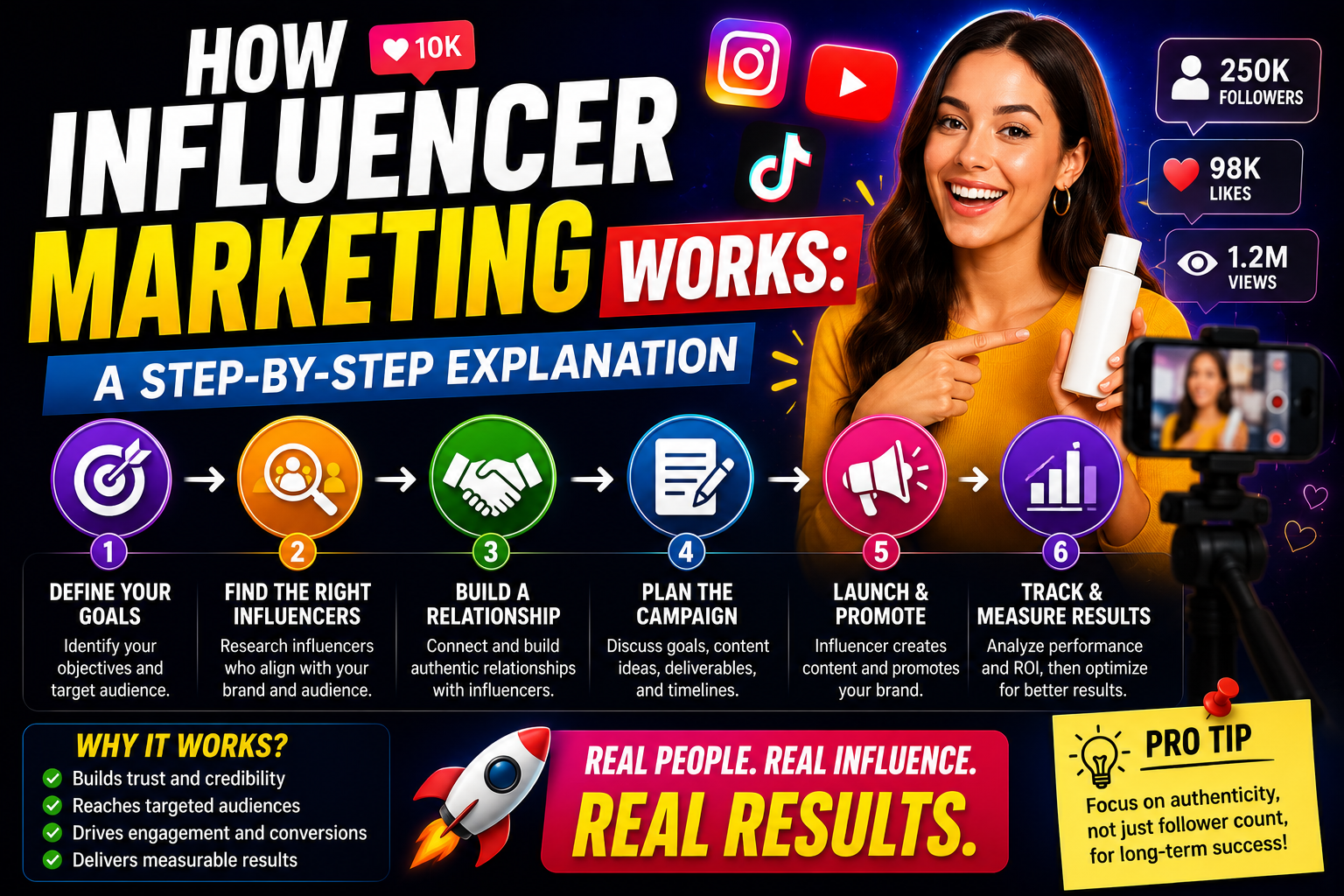
Introduction to Influencer Marketing
- Influencer marketing has emerged as a prominent strategy in the realm of digital advertising, derived from the interaction between established personalities on social media platforms and various brands. This marketing technique capitalizes on individuals who have amassed a significant following across platforms such as Instagram, TikTok, YouTube, and Twitter, allowing brands to tap into the influence these users have on their audiences. The essence of influencer marketing lies in utilizing the credibility and reach of these individuals to promote products or services, therefore bridging the gap between businesses and the end consumers.
- One of the primary reasons behind the increasing importance of influencer marketing is the shift in consumer behavior. Today's consumers are more inclined to trust recommendations that come from relatable and authentic figures, rather than traditional advertisements. Studies have shown that people tend to view influencers as peers or friends rather than celebrities, which cultivates a sense of trust and promotes higher engagement levels. Consequently, brands that embrace influencer marketing often see an increase in conversion rates, brand awareness, and customer loyalty.
- Moreover, the rise of social media has significantly contributed to the evolution of influencer marketing. As platforms such as Instagram and YouTube have become more integrated into daily life, individuals with large followings have found ways to monetize their content through partnerships with various brands. This mutual relationship not only benefits influencers, who gain financial rewards and sponsorships, but also enables brands to reach targeted demographics effectively. Overall, the synergy between influencers, their followers, and brands marks a transformative shift in contemporary marketing strategies.
The Role of Influencers
- Influencers are individuals who possess the ability to affect the purchasing decisions of others due to their authority, knowledge, position, or relationship with their audience. They are commonly recognized as individuals who have cultivated an engaging online presence across social media platforms, making them key players in digital marketing. The essence of influencer marketing lies in the trust and credibility that influencers have established with their followers, enabling brands to effectively reach target demographics through strategic partnerships.
- Influencers can be classified into three primary categories based on their follower count: macro, micro, and nano. Macro-influencers generally have over 100,000 followers and are often well-known public figures or celebrities. They offer greater visibility and reach, but their engagement rate may be lower relative to their audience size. Micro-influencers, with followers ranging between 1,000 to 100,000, typically boast higher levels of engagement and niche audiences, allowing brands to connect more intimately with specific market segments. Nano-influencers, comprising less than 1,000 followers, usually have a tight-knit community and can foster highly authentic interactions, making them particularly valuable for brands seeking a personal touch.
- The role of influencers in marketing campaigns extends beyond mere promotion. They are pivotal in creating authentic content that resonates with their audience’s interests and values. This authenticity leads to a more genuine connection with the brand, as followers often view influencers as relatable figureheads rather than traditional advertising sources. As a result, influencer marketing provides brands with a unique opportunity to leverage these relationships and foster consumer trust, ultimately driving engagement and conversions. By effectively integrating influencers into their marketing strategies, brands can improve their outreach and establish more meaningful connections with potential customers.
Identifying the Right Influencers
- In the realm of influencer marketing, selecting the appropriate influencers is paramount for achieving successful brand collaborations. The first step in identifying the right influencers involves aligning the potential candidates with the brand's target audience, values, and overall marketing goals. This alignment enhances the authenticity of the partnership and increases the likelihood of engagement from consumers.
- One effective method for identifying suitable influencers is to analyze their content and engagement metrics. Tools such as social listening platforms can provide valuable insights into influencer performance. Specifically, metrics like follower count, engagement rate, and audience demographics play a crucial role in evaluating an influencer's relevance. A high follower count can indicate a broad reach, however, engagement rate is often a more telling metric as it reflects the true interaction influencers have with their followers. Influencers with high engagement rates typically cultivate a more loyal audience, which is beneficial for brand messaging.
- Content quality is another consideration; influencers should create content that resonates with your brand’s identity. Analyzing previous posts can help ascertain whether their style and messaging are congruent with your brand’s values. Moreover, understanding their audience demographics provides insights into whether their followers match your target market. Using influencer databases, brands can filter potential candidates by niche, audience characteristics, and content type, streamlining the selection process.
- In conclusion, the process of identifying suitable influencers requires a comprehensive evaluation of various metrics, as well as a strong emphasis on alignment with the brand’s objectives. This strategic approach not only leads to effective partnerships but also enhances the overall impact of influencer marketing campaigns.
Setting Campaign Objectives
- Establishing clear and measurable objectives is a foundational step in any successful influencer marketing campaign. By identifying specific goals, brands can ensure that their influencer engagements are directed towards meaningful outcomes. The objectives might include increasing brand awareness, driving website traffic, generating leads, or boosting sales. Each of these goals requires a tailored approach to effectively leverage the influencer's reach and audience engagement.
- Firstly, increasing brand awareness can be crucial for companies looking to penetrate new markets or re-establish their presence. In such cases, collaborating with influencers who resonate with target demographics can exponentially enhance visibility. Tracking metrics, such as impressions and social media mentions, will be essential for measuring the effectiveness of this objective.
- Next, driving website traffic forms another significant goal for influencer marketing campaigns. Influencers can effectively direct their followers to a brand’s website through curated content featuring links or promotional codes. Through the use of analytics tools, brands can monitor traffic sources and user behavior to evaluate whether this objective is being met.
- Additionally, generating leads is another objective that requires careful planning. Brands may aim to collect potential customer information through targeted promotions or gated content shared by influencers. This strategy necessitates developing enticing offers that incentivize users to engage further with the brand.
- Lastly, the ultimate aim for many brands is to boost sales. Collaborations should focus on creating content that drives purchasing actions, whether through product endorsements or exclusive discount codes. This objective mandates precise tracking of conversion rates, revenue generated, and return on investment (ROI) to ascertain campaign success.
- In summary, setting defined objectives allows brands to tailor their influencer marketing efforts meaningfully. These clear goals not only streamline the collaboration process but also enable the measurement of campaign effectiveness, ensuring that the partnership between brands and influencers is mutually beneficial.
Approaching Influencers
- In the ever-evolving landscape of influencer marketing, effective outreach is crucial for establishing productive partnerships that fulfill both brand objectives and the influencer’s audience engagement strategies. The initial step involves identifying the right influencers whose values, audience demographics, and content style align with your brand. Thorough research is essential at this stage; a deeper understanding of potential influencers allows for targeted outreach.
- Once the suitable influencers have been identified, crafting a compelling proposal is vital. This proposal should clearly articulate the value your brand offers and how a partnership can benefit the influencer. It is important to highlight potential collaboration outcomes, such as brand exposure, audience growth, or product development opportunities. Additionally, addressing the influencer's interests and aspirations in your proposal can significantly increase the likelihood of a positive response.
- Building a relationship with influencers before formal outreach is a best practice. Engage with their content, participate in conversations, and share their posts to nurture familiarity and trust. This approach not only demonstrates genuine interest but also increases your brand's visibility within their community. When reaching out, personalize your communication to reflect your understanding of their work and how it fits into a potential partnership.
- Furthermore, establishing mutually beneficial terms is crucial. To create a successful collaboration, consider offering incentives that align with the influencer's goals, such as competitive compensation, exclusive access to your products, or tailored content opportunities. Flexibility in negotiations also fosters goodwill, emphasizing that you value the influencer's input and that the collaboration is a two-way street. By effectively approaching influencers through well-crafted proposals, relationship-building, and cooperative negotiation, brands can engage in fruitful partnerships that enhance their overall influencer marketing strategies.
Collaboration and Content Creation
- The collaboration between brands and influencers is a pivotal aspect of influencer marketing that significantly impacts the authenticity and effectiveness of campaigns. When these two entities come together, the goal is not merely to promote a product but to create engaging content that resonates with the influencer's audience while adhering to the brand's values.
- Successful influencer marketing hinges on establishing a transparent line of communication where both parties can express their expectations and creative ideas. It is essential for brands to provide influencers with comprehensive brand guidelines. These guidelines typically include dos and don’ts, aesthetic preferences, and specific messaging that aligns with the overall marketing objectives. However, to strike the right balance between brand messaging and authenticity, it is crucial to allow influencers sufficient creative freedom. This autonomy enables them to present the brand in a way that feels natural and authentic to their audience.
- When influencers are granted the opportunity to produce content in line with their unique style, it results in dynamic collaborations that feel genuine. This authenticity is imperative in today’s digital landscape, where audiences are increasingly discerning about the content they engage with. Therefore, brands should invest time in understanding an influencer's voice and aesthetic, ensuring that the collaborative output is both aligned with the brand image and tailored to the influencer’s audience.
- A well-executed collaboration not only showcases products compellingly but also strengthens the relationship between the brand and the influencer, fostering long-term partnerships that can yield significant results over time. Engaging content created through such collaborations can elevate a brand's perception and drive meaningful engagement, which is the ultimate objective of influencer marketing.
Tracking Campaign Performance
- Tracking the performance of an influencer marketing campaign is crucial for understanding its impact and effectiveness. To quantify this impact, various key performance indicators (KPIs) are employed, enabling marketers to measure success accurately. Among the most widely used metrics are engagement rates, reach, impressions, and conversion tracking.
- Engagement rate is a significant KPI that gauges how well the audience interacts with content shared by influencers. This metric is typically calculated by assessing likes, comments, shares, and saves in relation to the total follower count. A higher engagement rate suggests that the content resonates well with the audience, indicating successful influencer collaboration.
- Reach refers to the total number of unique users who have seen the influencer's content. It provides insights into the potential audience size exposed to a campaign. Conversely, impressions measure how many times the content has been displayed, regardless of whether it was clicked or not. Both metrics are vital for understanding the visibility of the brand's message and the overall effectiveness of the influencer’s promotional efforts.
- Conversion tracking is another essential component in assessing campaign performance. This involves measuring actions taken by users after engaging with the influencer's content, such as signing up for newsletters, downloading apps, or making purchases. Utilizing custom URLs or dedicated promo codes attributed to the influencer can help in accurately tracking conversions sourced from influencer marketing efforts.
- To facilitate this analysis, various tools exist, including Google Analytics, social media analytics platforms, and influencer marketing software. These tools enable marketers to aggregate and interpret data efficiently, allowing for informed decisions based on comprehensive performance insights. Incorporating these metrics into regular campaign evaluations helps brands and marketers refine strategies, optimize future collaborations, and ultimately enhance ROI.
Compliance and Transparency in Influencer Marketing
- In the context of influencer marketing, compliance and transparency are vital aspects that shape the relationship between brands, influencers, and their audiences. The Federal Trade Commission (FTC) has established guidelines that require influencers to disclose when they have been compensated to promote products or services. This disclosure can take various forms, such as hashtags like #ad or #sponsored, which explicitly indicate that the content is paid promotion. This regulatory framework is not merely a suggestion; adherence to these guidelines is legally enforceable, and failure to comply can lead to significant consequences for both influencers and brands.
- Maintaining transparency is crucial for fostering trust among the audience. As consumers become increasingly savvy, they are likely to scrutinize endorsements and promotional content. If influencers fail to disclose their partnerships adequately, they risk damaging their credibility, thereby diminishing their effectiveness as marketing tools. Brands must collaborate closely with influencers to ensure that disclosure practices are integrated seamlessly into their marketing strategies.
- Moreover, ethical practices in influencer marketing extend beyond mere compliance with regulatory bodies. The relationship between influencers and their audiences is founded on authenticity and sincerity. Influencers who genuinely believe in the brands they partner with and whose endorsements resonate with their personal values are more likely to maintain their audience's trust. Consequently, brands should be selective in their partnerships and prioritize those influencers who align with their core values and resonate with their target market.
- In summary, compliance with FTC guidelines and the commitment to transparency are essential components of influencer marketing. By prioritizing ethical considerations, brands and influencers not only adhere to legal requirements but also contribute to building a trustworthy environment for consumers, which is essential for the long-term success of any influencer marketing campaign.
Conclusion and Future Trends
- In summary, influencer marketing has proven to be a dynamic and effective strategy for brands seeking to engage with their target audiences. Throughout this blog post, we explored the mechanisms through which influencer partnerships operate, emphasizing the significance of audience alignment and the value of authentic endorsements. Influencers serve not merely as marketing tools but as bridges between brands and consumers, making connections that resonate on a personal level.
- Looking ahead, several future trends in influencer marketing are poised to shape its evolution. First, the landscape of social media is continuously changing, with emerging platforms like TikTok and newer apps gaining traction. These platforms offer opportunities for brands to engage audiences through innovative methods, including short-form video content and interactive features, which are particularly appealing to younger demographics.
- Furthermore, the content strategies employed by influencers are evolving. There is a noticeable shift towards long-form content such as podcasts, YouTube series, and engaging blog posts. These formats allow for deeper storytelling and provide audiences with more value, thus enhancing the trust and loyalty between the influencer and their followers.
- Lastly, the importance of authenticity and transparency in brand-influencer partnerships cannot be overstated. Consumers are becoming more discerning about sponsored content and expect influencers to promote products and services that align with their personal values and experiences. This emphasizes the need for brands to collaborate with influencers who genuinely believe in their offerings, ultimately leading to more credible and impactful marketing outcomes.
- As we transition into a more integrated digital marketing landscape, influencer marketing will continue to adapt and grow. Monitoring these trends will be vital for brands aiming to maintain relevance and forge meaningful connections with their audiences.
Login or create account to leave comments

Comments (0)