
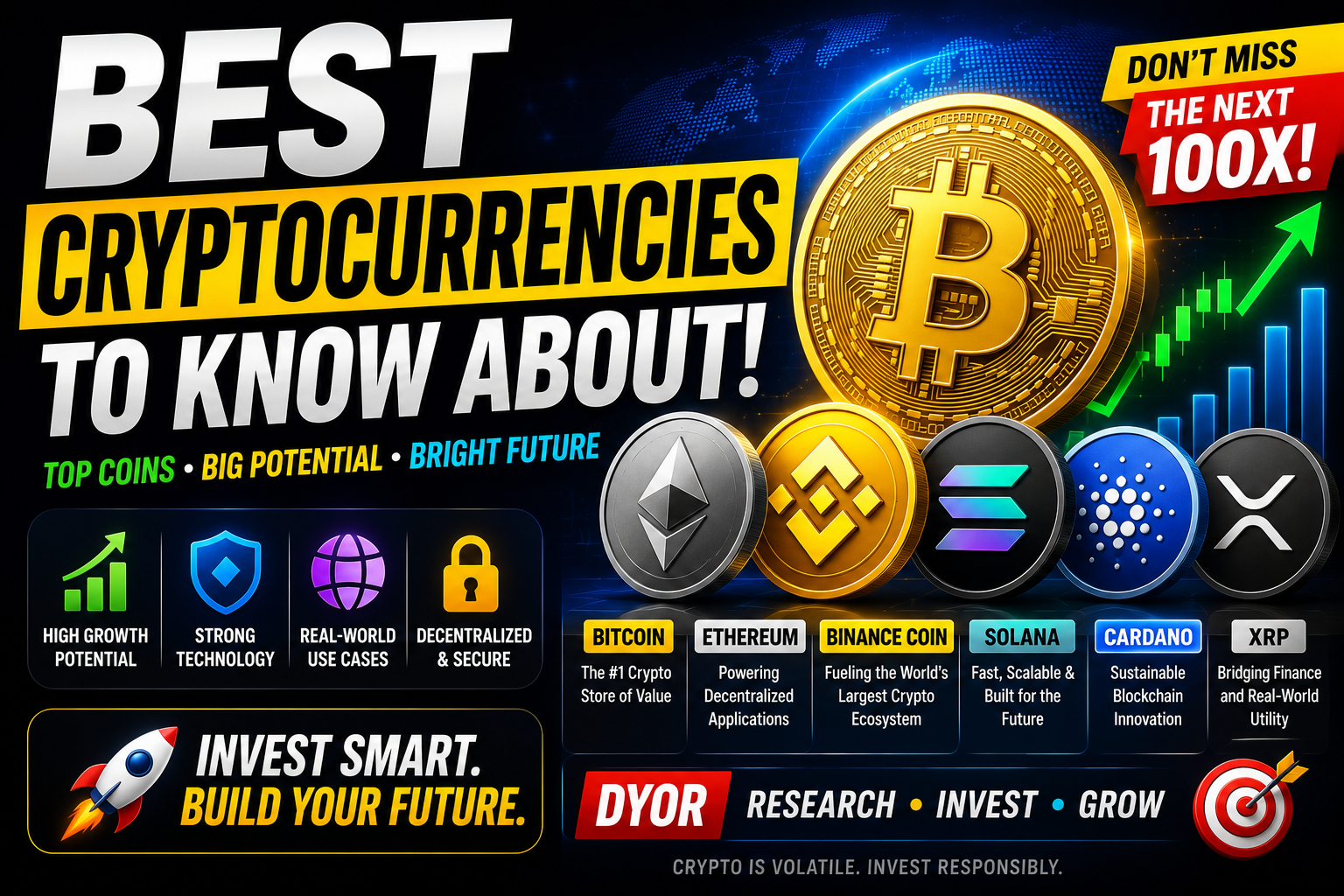
Introduction to Cryptocurrencies
- Cryptocurrencies are a form of digital or virtual currency that leverage cryptography for security. Unlike traditional currencies issued by governments, cryptocurrencies operate on decentralized networks that rely on blockchain technology. A blockchain is a distributed ledger that records all transactions across a network of computers, allowing for transparency and security. The concept of cryptocurrency was first introduced with Bitcoin, which was created in 2009 by an anonymous entity known as Satoshi Nakamoto. Since then, thousands of alternative cryptocurrencies—often referred to as altcoins—have been developed, each with unique features and purposes.
- The appeal of cryptocurrencies lies not only in their innovative technology but also in their potential to revolutionize financial systems. They enable peer-to-peer transactions without the need for intermediaries, such as banks, which can reduce transaction costs and eliminate delays. This decentralized nature helps provide financial services to individuals who may not have access to traditional banking systems.
- Another factor contributing to the popularity of cryptocurrencies is their potential for high returns on investment. For many, they represent a new asset class with opportunities for significant gains. The volatility associated with cryptocurrencies can lead to substantial price fluctuations, attracting both seasoned investors and newcomers to the market. Additionally, the rise of decentralized finance (DeFi) and non-fungible tokens (NFTs) has further fueled interest in this digital ecosystem, showcasing how cryptocurrencies can be applied beyond simple transactions.
Bitcoin: The Pioneer of Cryptocurrencies
- Bitcoin, conceived in 2008 by an individual or group using the pseudonym Satoshi Nakamoto, became the first decentralized cryptocurrency, fundamentally altering the landscape of digital currencies. Launched in January 2009, Bitcoin introduced a revolutionary concept: a peer-to-peer electronic cash system that operates without a central authority. This innovative framework relies on blockchain technology, which ensures transparency and security through a distributed ledger maintained by a network of nodes.
- One of the unique features of Bitcoin is its supply cap of 21 million coins, which creates scarcity and differentiates it from traditional fiat currencies that can be printed at will. This characteristic has garnered a significant following among investors and users alike, reinforcing Bitcoin’s role as ‘digital gold’. The limited supply, combined with increasing demand, has led to substantial price volatility, making Bitcoin not only a means of exchange but also an investment asset.
- Bitcoin’s significance extends beyond its market interactions; it has inspired the development of thousands of alternative cryptocurrencies, collectively known as altcoins. These derivatives aim to address various limitations of Bitcoin or to cater to specific applications, enhancing the overall cryptocurrency ecosystem. Despite the emergence of various competitors, Bitcoin continues to dominate the market, boasting a market capitalization that often exceeds half of the total cryptocurrency market value.
- Moreover, Bitcoin has gained recognition and legitimacy through its acceptance by numerous merchants, institutions, and even governments. This growing acceptance has fueled discussions about its potential as an alternative currency or store of value. In summary, Bitcoin stands as the most recognized and influential cryptocurrency, shaping the future of digital finance and paving the way for blockchain innovation worldwide.
Ethereum: Beyond Cryptocurrency
- Ethereum is widely recognized as a prominent player in the cryptocurrency domain; however, its capabilities extend well beyond being a mere digital currency. At the core of Ethereum’s innovation are its smart contracts—self-executing contracts with the terms of the agreement directly written into code. This technology revolutionizes how transactions are conducted by eliminating the need for intermediaries, thereby increasing efficiency and reducing costs.
- Smart contracts enable developers to create decentralized applications (dApps) that operate on the Ethereum blockchain. These dApps can range from decentralized finance (DeFi) platforms to gaming applications, showcasing Ethereum's versatility and potential to disrupt various industries. The Ethereum network supports an array of functionalities, including automated processes, secure transactions, and transparent governance, all underpinned by blockchain's inherent characteristics of immutability and security.
- Moreover, Ethereum has played a pivotal role in shaping the future of finance and technology through its support for decentralized finance solutions. DeFi applications utilize Ethereum’s capabilities to provide traditional financial services—such as lending, borrowing, and trading—without relying on conventional financial institutions or intermediaries. This democratization of financial services has opened doors for individuals worldwide, offering unprecedented access to economic opportunities.
- Furthermore, Ethereum continues to evolve with the transition from a proof-of-work (PoW) consensus mechanism to proof-of-stake (PoS), aimed at enhancing scalability and sustainability. This shift not only addresses ecological concerns associated with energy consumption but also positions Ethereum as a frontrunner in the ongoing development of blockchain technology.
- In essence, Ethereum is not just a digital currency but a powerful platform that facilitates a multitude of applications and ecosystems. Its innovative approach to smart contracts and decentralized applications signifies its importance in the broader context of technology and finance, marking it as an essential component of the future digital landscape.
Ripple (XRP): The Banker's Cryptocurrency
- Ripple, often referred to by its native cryptocurrency XRP, has set its sights on transforming the way financial institutions conduct cross-border payments. Traditional banking systems are often plagued by delays, high fees, and inefficiencies when moving money across international borders. Ripple seeks to address these challenges through its unique blockchain-based platform, RippleNet, which leverages the capabilities of XRP to facilitate faster and cheaper transactions.
- At the heart of Ripple's operation is the XRP Ledger, a decentralized payment platform designed to allow secure and instant cross-border transactions. What sets XRP apart is its ability to settle transactions in seconds—often in less than five—compared to the several days it may take with conventional banking methods. This speed not only enhances liquidity but also significantly reduces operational costs, making it an attractive alternative for banks and financial institutions.
- Ripple has established a multitude of partnerships with major banks and financial service providers around the globe. These alliances demonstrate a growing interest in adopting RippleNet as a means to streamline payment processes. Institutions like Santander and American Express have already integrated Ripple's technology to improve their remittance services. By facilitating seamless cross-border money transfers, Ripple has positioned itself as a crucial player in the evolving financial landscape.
- Moreover, the use of XRP as a bridge currency helps eliminate the need for pre-funded accounts in destination currencies, further enhancing the efficiency of transactions. As more banks transition to using Ripple's technology, the implications for traditional banking practices are profound, ushering in a new era of banking that prioritizes speed, cost-effectiveness, and transparency.
Cardano: A Proof-of-Stake Blockchain
- Cardano is an innovative blockchain platform that revolutionizes the cryptocurrency space with its unique proof-of-stake (PoS) consensus mechanism. Unlike traditional proof-of-work systems, which require extensive computational power and energy consumption, Cardano’s PoS approach enables validation of transactions through a process known as staking. This significantly reduces energy consumption while advancing the network's security and efficiency.
- One of Cardano's primary goals is to enhance scalability. With its layered architecture, the platform separates the settlement layer—used for cryptocurrency transactions—from the computation layer, which hosts smart contracts. This structure allows for increased transaction speed without compromising security or decentralization. As a result, Cardano can potentially process thousands of transactions per second, positioning it advantageously in a competitive market.
- Sustainability is another critical focus area for Cardano. The PoS mechanism not only minimizes energy usage but also promotes long-term network health. Cardano's staking rewards system encourages users to participate in network operations, further fostering a sustainable ecosystem. This unique dynamic ensures thatkey stakeholders are invested in the platform's success, thus enhancing its resilience and viability.
- Interoperability also plays a significant role in Cardano's strategic vision. The platform emphasizes the need for seamless interaction between various blockchains to create a more connected decentralized ecosystem. This goal is crucial as it allows for greater collaboration and functionality among different cryptocurrencies and applications.
- Additionally, Cardano has positioned itself as a robust platform for the development of smart contracts and decentralized applications (dApps). Its unique features enable developers to create open, secure, and scalable dApps, fostering an environment of innovation and flexibility. Through extensive research and development, Cardano aims to provide a platform where smart contracts can be executed reliably and securely.
Solana: The High-Speed Blockchain
- Solana is a high-performance blockchain that is gaining recognition for its impressive speed and low transaction costs. This platform is engineered to support decentralized applications (dApps) and crypto projects that require rapid transaction processing capabilities, making it an attractive option for developers looking to build on a robust blockchain framework.
- One of the key features of Solana is its ability to handle thousands of transactions per second, a statistic that positions it among the fastest blockchains currently available. This high throughput is achieved through a unique consensus mechanism known as Proof of History (PoH), which allows for efficient processing and verification of transactions. As a result, users experience minimal delays and reduced transaction fees, which are significantly lower compared to other leading blockchain platforms. This cost-effectiveness further enhances its appeal for a variety of use cases.
- The growing ecosystem surrounding Solana is another important aspect to consider. The platform has successfully attracted a diverse range of projects, particularly in the realms of decentralized finance (DeFi) and non-fungible tokens (NFTs). With a slew of innovative financial applications being built on Solana, users are increasingly drawn to its capabilities for liquidity provision, lending, and trading activities. Moreover, NFTs have found a flourishing space within the Solana ecosystem, where artists and creators are leveraging the network to mint and trade their digital assets efficiently.
- Overall, the combination of high throughput, low costs, and a vibrant ecosystem makes Solana a formidable contender in the cryptocurrency landscape. Its capacity to support various applications while maintaining performance metrics opens new avenues for innovation and development within the blockchain space.
Binance Coin: Utility and Growth
- Binance Coin (BNB) is a cryptocurrency that has gained significant prominence since its inception. Initially launched as an utility token to facilitate transactions on the Binance exchange, BNB offers users discounts on trading fees, enhancing its value proposition within the Binance ecosystem. This unique functionality has attracted a large user base, establishing BNB as a pivotal component of the Binance platform, which is known for its extensive range of digital assets and trading pairs.
- Over time, Binance Coin has evolved from a simple utility token into a multifaceted digital asset. Users not only utilize BNB to pay for transaction fees but also employ it in staking, participating in token sales through Binance Launchpad, and using it for various payment solutions. This versatility signifies BNB's growing utility, allowing holders to navigate the rapidly changing landscape of cryptocurrencies with ease.
- Investment opportunities associated with Binance Coin have expanded as its application has broadened. As one of the top-performing cryptocurrencies in the market, BNB's growth trajectory can be attributed to its continuous integration into the Binance ecosystem, alongside strategic initiatives by the exchange's management to enhance its utility. Additionally, periodic token burns conducted by Binance contribute to a deflationary mechanism that potentially increases the value of BNB by reducing its circulating supply.
- In summary, Binance Coin exemplifies how a cryptocurrency can transcend its initial purpose, adapting and growing within a dynamic ecosystem. Its utility in reducing transaction fees, coupled with investment potential through various applications, positions BNB as a leading cryptocurrency in the industry, reinforcing its status as a vital player in the digital asset marketplace.
Dogecoin: The Meme Currency with Serious Appeal
- Originally created in December 2013 as a parody of the booming cryptocurrency market, Dogecoin is based on the popular "Doge" internet meme featuring a Shiba Inu dog. Contrary to its playful roots, Dogecoin has amassed a significant following and has transformed from a meme to a serious digital currency, reflecting the evolving landscape of cryptocurrency investments.
- The community-driven nature of Dogecoin has been a key ingredient in its unexpected popularity. Unlike many cryptocurrencies that are typically backed by prominent developers or corporate interests, Dogecoin has thrived due to its grassroots support. Users have often engaged in charitable efforts, utilizing Dogecoin to fund community projects, support athletes, and even sponsor events, such as the Jamaican bobsled team's participation in the 2014 Winter Olympics. This application of Dogecoin for philanthropy has endeared it to many, elevating its status beyond that of a mere speculative asset.
- Celebrity endorsements have also played a pivotal role in boosting the value and visibility of Dogecoin. Notably, tech entrepreneur Elon Musk has frequently tweeted about Dogecoin, often causing fluctuations in its market price and bringing significant media attention to the currency. Musk's tweets have sparked interest among retail investors and have paved the way for discussions about Dogecoin's potential as a viable currency. His influence highlights how public perception can impact the cryptocurrency market, often leading to dramatic price movements.
- Despite its origins as a lighthearted cryptocurrency, Dogecoin has proven to have serious appeal in the digital currency realm. Its vibrant community, charitable use, and the influence of notable figures demonstrate that even meme-based currencies can carve out a substantial niche within the financial landscape.
Future of Cryptocurrencies: Trends and Predictions
- The cryptocurrency landscape is undergoing significant transformations, driven by various factors including technological advancements, regulatory developments, and market dynamics. One of the most prominent trends is the increasing regulation of cryptocurrencies. Governments across the globe are establishing frameworks to govern the use of digital currencies, aimed at fostering security and trust while mitigating risks associated with fraud and volatility. This regulatory environment is likely to mature over the next few years, leading to institutional adoption and enhanced legitimacy for cryptocurrencies.
- In addition to regulation, the evolution of blockchain technology is pivotal in shaping the future of cryptocurrencies. Innovations such as scalability solutions and interoperability between different blockchain networks are expected to enhance transaction efficiency and reduce costs. The continued development of decentralized finance (DeFi) platforms and non-fungible tokens (NFTs) will further expand the utility of cryptocurrencies beyond simple transactions, allowing for diverse applications in sectors like art, gaming, and finance.
- Furthermore, the rise of Central Bank Digital Currencies (CBDCs) signifies a paradigm shift in the financial ecosystem. Various central banks are exploring or piloting their digital versions of fiat currencies to modernize payment systems and address challenges posed by private cryptocurrencies. The introduction of CBDCs could lead to increased competition within the cryptocurrency market, as they may provide consumers with a state-backed alternative.
- However, challenges such as price volatility, security concerns, and technological hurdles remain prevalent. As the cryptocurrency market matures, these issues must be addressed to foster a stable environment that encourages investment and innovation. In conclusion, the future of cryptocurrencies will likely be characterized by a delicate balance of growth opportunities and regulatory scrutiny, setting the stage for an intriguing evolution in digital finance.
Login or create account to leave comments

Comments (0)